


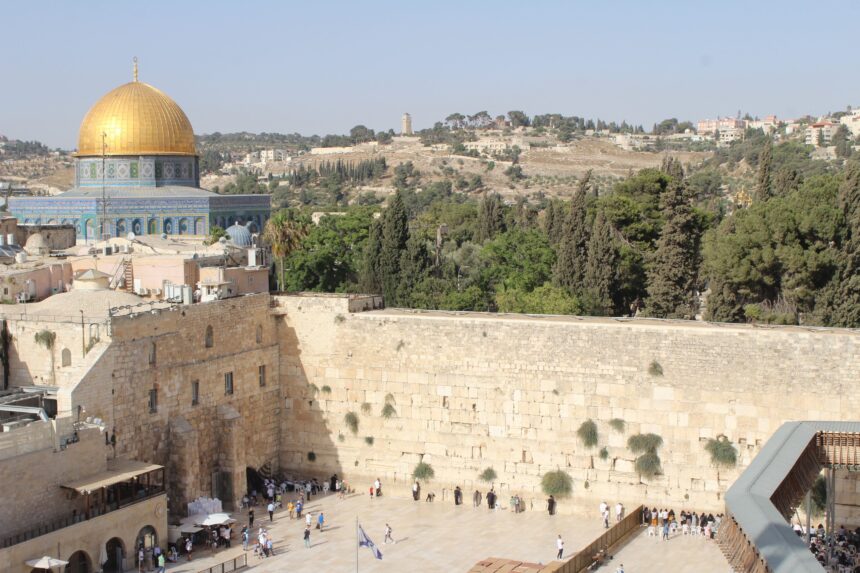
A firestorm is brewing in the religious world following reports that Rabbi Dov Lior has granted Minister Itamar Ben Gvir a “special halachic permission” to enter all areas of the Temple Mount—including those traditionally forbidden under the penalty of kares (spiritual excision)—to demonstrate Jewish sovereignty.
The report claims the veteran leader of the religious Zionist movement has prioritized the political demonstration of sovereignty over the most severe prohibitions of the Torah. However, an investigation by Jewish Home News into the halachic basis for this ruling has met a wall of silence and deflection, raising questions about the integrity of the halachic process in the political sphere.
The Investigation: A Lack of Answers
In an effort to understand how such a radical departure from established Halacha could be justified, Jewish Home News reached out to Rabbi Lior’s long-time assistant and secretary, Rabbi Yossi Dermer.
When pressed for a halachic source or a written teshuva (formal response) that would permit a minister to violate an issur kares to demonstrate sovereignty—particularly when representing a secular state and where entry remains legally and halachically restricted for the general public—the response was startlingly brief.
Dermer stated that Rabbi Lior “is currently not in good health and therefore cannot answer your question.” Yet, in the same breath, he confirmed to Jewish Home News that “everything written in the article is correct” and that “the Rabbi indeed said this to Ben Gvir.”
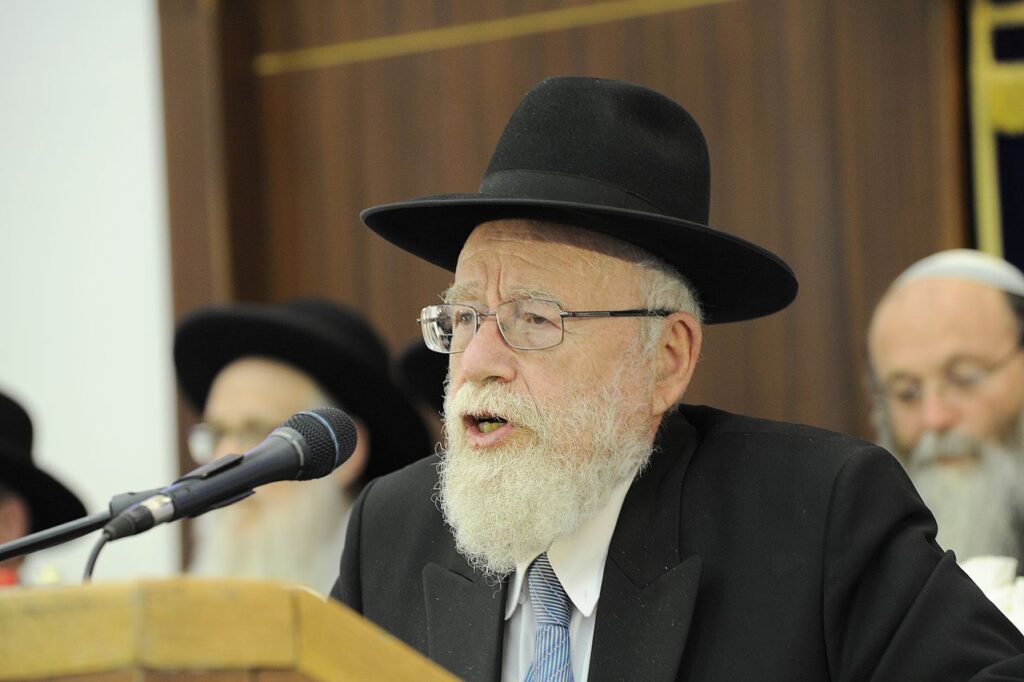
This creates a logical and halachic paradox. If a Torah sage is too ill to articulate the sources of a ruling, how can such an “earth-shattering” decision be issued in the first place? In the world of Halacha, the more novel a ruling and the more severe the implications, the more rigorous the requirement for detailed, public substantiation. Without such support, critics argue, a statement is merely an instruction or a political opinion, lacking any formal halachic force.
‘Does he have more rights than the Kohen Gadol on Yom Kippur?’
The reported ruling has drawn sharp condemnation from others within the Torah-observant community. Rabbi Chananya Weissman, a vocal advocate for halachic transparency, did not mince words when discussing the implications of such a precedent.
“Does Itamar Ben Gvir have the halachic right to go for a stroll in the place of the Kodesh Hakodoshim, just to make a point?” Rabbi Weissman asked. “Does he have more rights than the Kohen Gadol on Yom Kippur? As always, where do we draw the line, why there, and on what concrete basis?”
Rabbi Weissman further questioned the timing and the method of delivery: “Especially when a single radical minister going there will in no way demonstrate sovereignty in real life — it will only be an inflammatory act that is rejected by the vast majority of Torah-observant Jews. Why is Rabbi Lior comfortable issuing such a radical ruling just like this, without even consulting with other rabbonim and issuing a proper teshuva?”
The Requirement for Transparency
The primary concern shared by many is the bypassing of the traditional halachic process. Significant rulings that affect the entire nation are historically debated among the Gedolim (Torah leaders) and published with exhaustive citations to the Shulchan Aruch, Rambam, and Rishonim.
“Why is this being reported to the public on Arutz Sheva?” Rabbi Weissman concluded. “The public must hear directly from Rabbi Lior, in clear halachic terms, as the halachic process requires.”
As of press time, no written halachic document has been produced by Rabbi Lior’s office to support the claim of expanded access. For a community that prides itself on Torat Emet (the Torah of Truth), the reliance on hearsay and press releases rather than source-based scholarship remains a deeply troubling development.
Well after Ovadia Yosef pulled out of his turban non existent halacha justifying Oslo Accords and Gilad Shalit deal everything is allowed
I think you’re misrepresenting Rabbi Lior’s psak here. All the reportage noted that Ben Gvir was permitted only in those areas allowed by halacha, but for which the general public was not permitted, and not as you’ve reported. Better take a deeper dive here before casting aspersions.
And this from no friend of Ben Gvir.
Here is the original question to Rabbi Dermer:
אני שואל עבור Jewish Home News (אנגלית) לגבי הכתבה: https://www.israelnationalnews.com/news/426284
היכן מצינו מקור הלכתי המתיר במפורש לשר לעבור על איסור כרת כדי להפגין ריבונות יהודית על מקום כלשהו?
הדברים אמורים במיוחד כאשר הוא מייצג מדינה יהודית חילונית, וכל הפגנת ריבונות תהיה בבחינת אשליה בלבד, שהרי הכניסה למקום עדיין אסורה ליהודים הן מבחינה הלכתית והן מבחינה חוקית.
מדוע אף אחד מגדולי ישראל לאורך תולדות המדינה לא התיר מעולם דבר כזה, ואף לא העלה רעיון מעין זה?
תודה רבה על העזרה
His reply:
הרב ליאור אינו בקו הבריאות ולכן לא יוכל להשיב לשאלתך.
כל מה שכתוב בכתבה נכון.
אם אתה רוצה לדעת אם אכן הרב אמר זאת לבן גביר אני יכול לאשר לך. לא יותר מכך.
My reply:
תודה על המענה, ורפואה שלמה ומהירה לרב שליט”א.
במחילה, התשובה מעוררת תמיהה. אם מצבו של הרב אינו מאפשר לו לדון בנימוקי הפסק, קשה להבין כיצד ניתן להוציא פסק הלכה כה מרעיש עולמות בעניין כה חמור (איסור כרת) ללא הצגת המקורות והנימוקים העומדים בבסיסו. כידוע, ככל שההכרעה היא חידוש גדול יותר, וככל שהשלכותיה חמורות יותר, כך גדל הצורך בליבון הלכתי מעמיק ומפורט שיוצג בצמוד להכרעה.
ללא תשתית הלכתית מפורטת, מדובר באמירה או הוראה שקשה לראות בה “פסק הלכה” בעל תוקף מחייב כמקובל בעולמה של תורה.
מאחר שאתה מאשר בביטחון שהדברים אכן נאמרו, אודה לך מאוד אם תוכל לפרט מעט יותר על הנסיבות שהובילו לפסיקה זו, מה היה הרקע המדויק לה, והאם קיים (או עתיד להתפרסם) נימוק כתוב שיוכל להבהיר את המקורות עליהם נשען הרב בצעד חסר תקדים זה.
בברכה ותודה
To which he did not answer. The Arutz Sheva article refers to “the entire area of the Temple Mount,” which Rabbi Dermer confirmed.