

The Legacy of the Cave
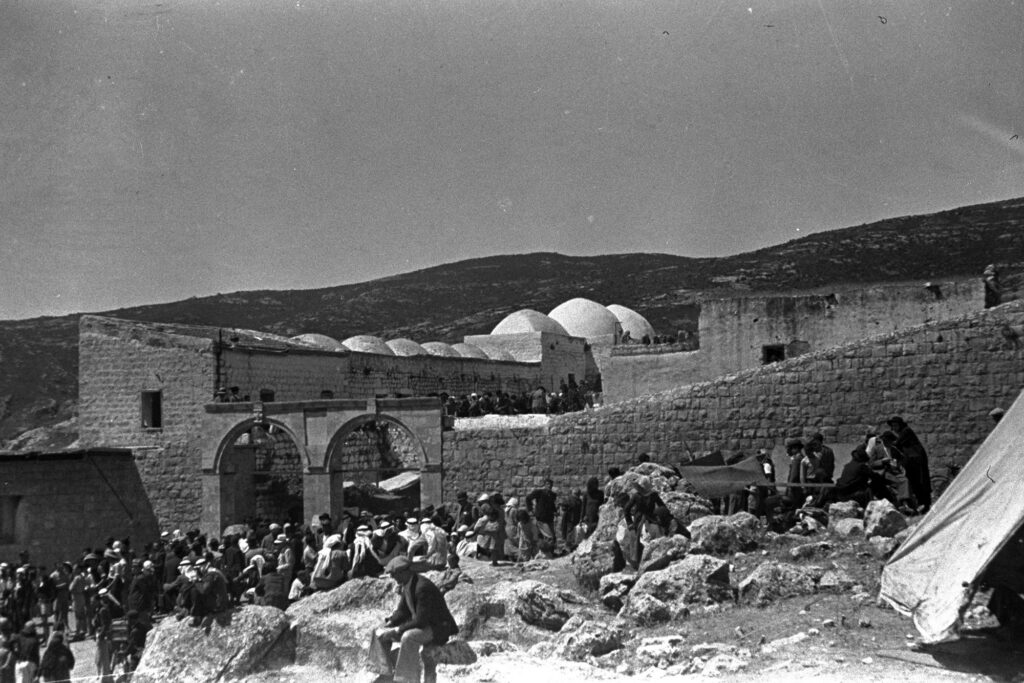
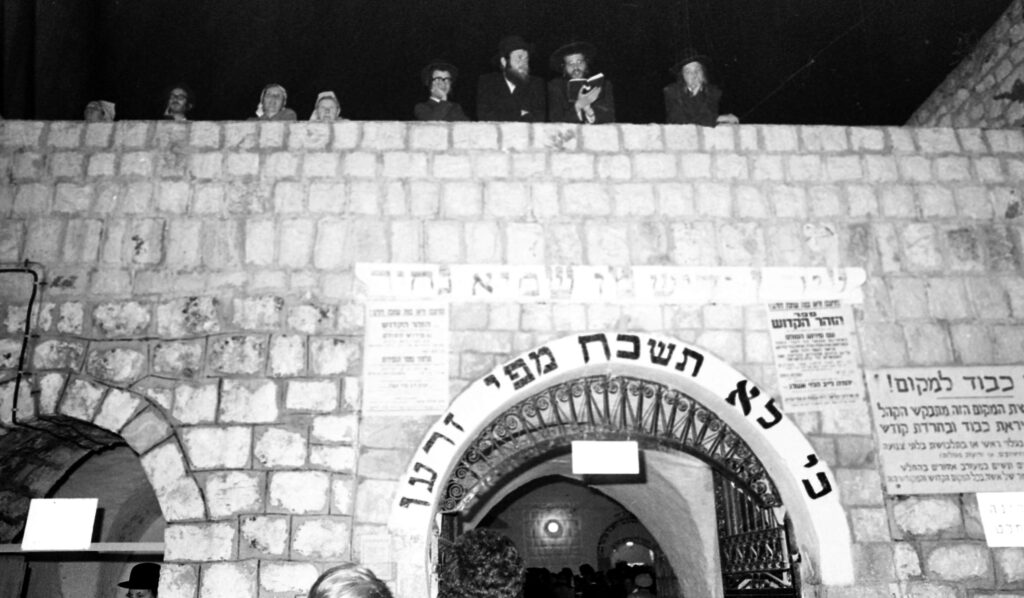
As Lag b’Omer 2026 approaches, Israeli police have blocked major roads leading to Mount Meron and declared the area a closed military zone. The annual mass pilgrimage to the tomb of Rabbi Shimon bar Yochai (Rashbi) has been effectively canceled. Prime Minister Benjamin Netanyahu and the IDF Home Front Command cited ongoing security threats from Hezbollah, restricting outdoor gatherings in the north to just 200 people and limiting the entire site to a handful of tiny, pre-approved symbolic ceremonies. Roads will remain shut through at least May 6.
This is not an isolated incident. It fits a clear and repeated pattern: Jewish religious sites are routinely shuttered under the banner of “public safety,” while malls, soccer stadiums, beaches, and secular entertainment venues continue with far greater flexibility.
Roman Tyranny, Rabbi Akiva, and the Bar Kochba Revolt
In the second century CE, the Roman Empire crushed the Bar Kochba revolt (132–136 CE) with genocidal brutality. Rabbi Akiva, the towering sage of his generation, had thrown his moral authority behind Simon bar Kochba, seeing in him the potential for redemption.
The Romans responded with decrees banning Torah study and Jewish practice, and executed the Ten Martyrs—including Rabbi Akiva himself, flayed alive while reciting the Shema.
The Cave That Gave the World the Zohar
One of Rabbi Akiva’s foremost disciples, Rabbi Shimon bar Yochai, refused to stay silent. When he publicly denounced the Romans, they sentenced him to death. Rashbi fled with his son into a Galilean cave, where they hid for thirteen years.
Sustained miraculously by a carob tree and a spring, they immersed themselves in the deepest secrets of Torah. Jewish tradition teaches that it was precisely in that cave—born of Roman persecution—that the Zohar, the foundational text of Kabbalah, was revealed.
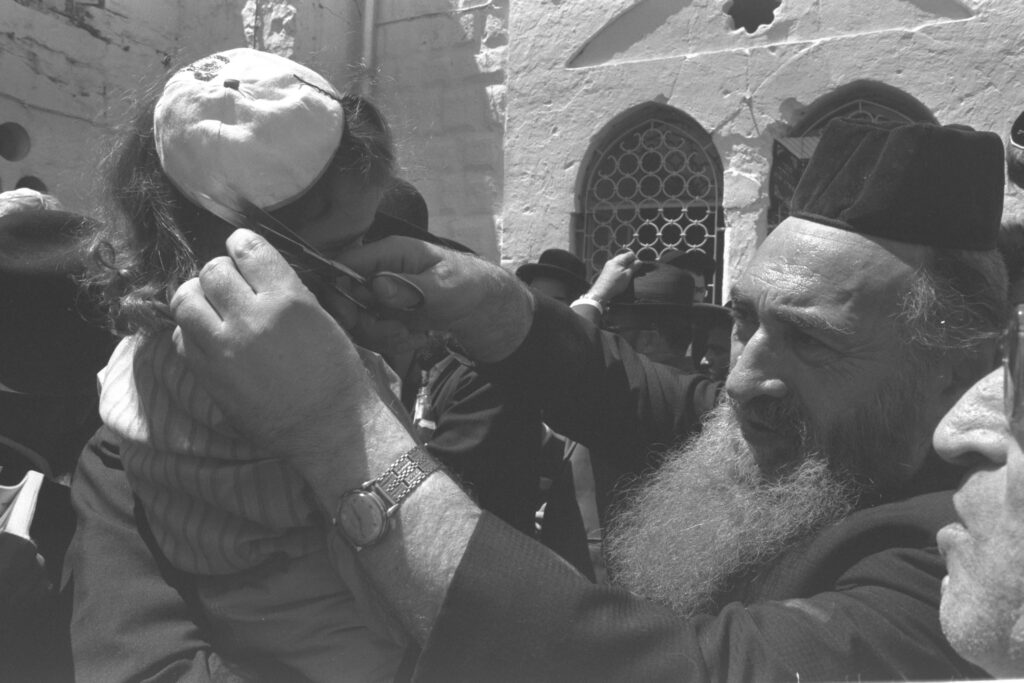
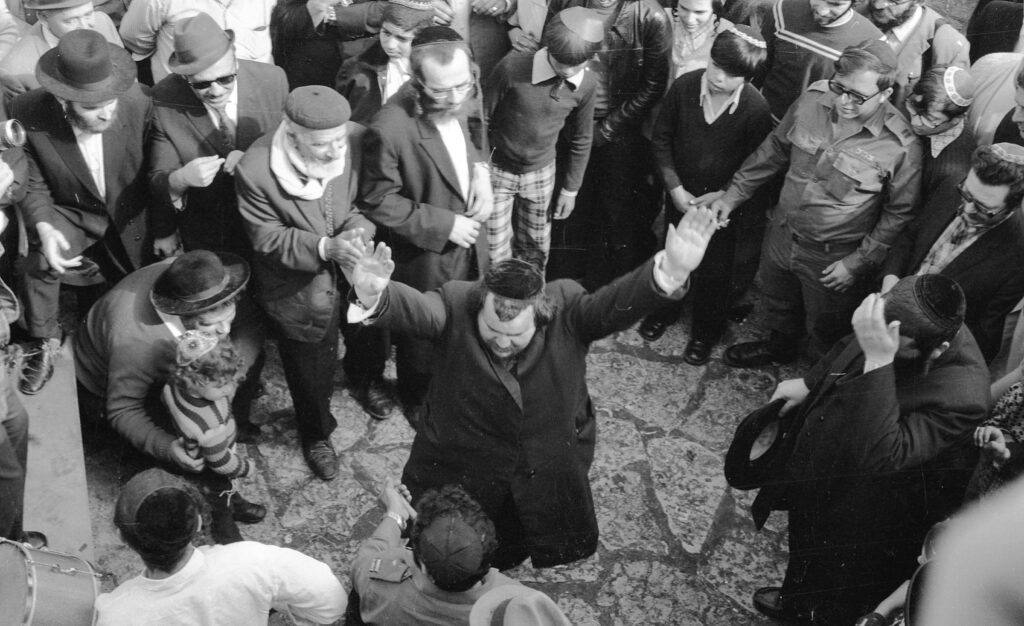
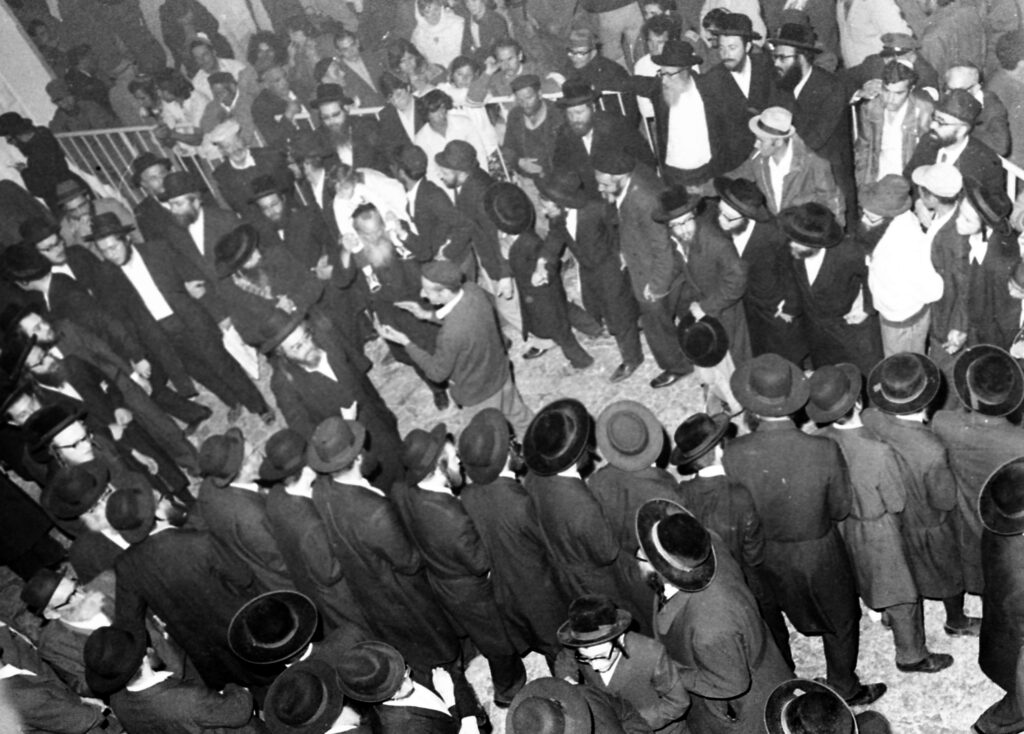
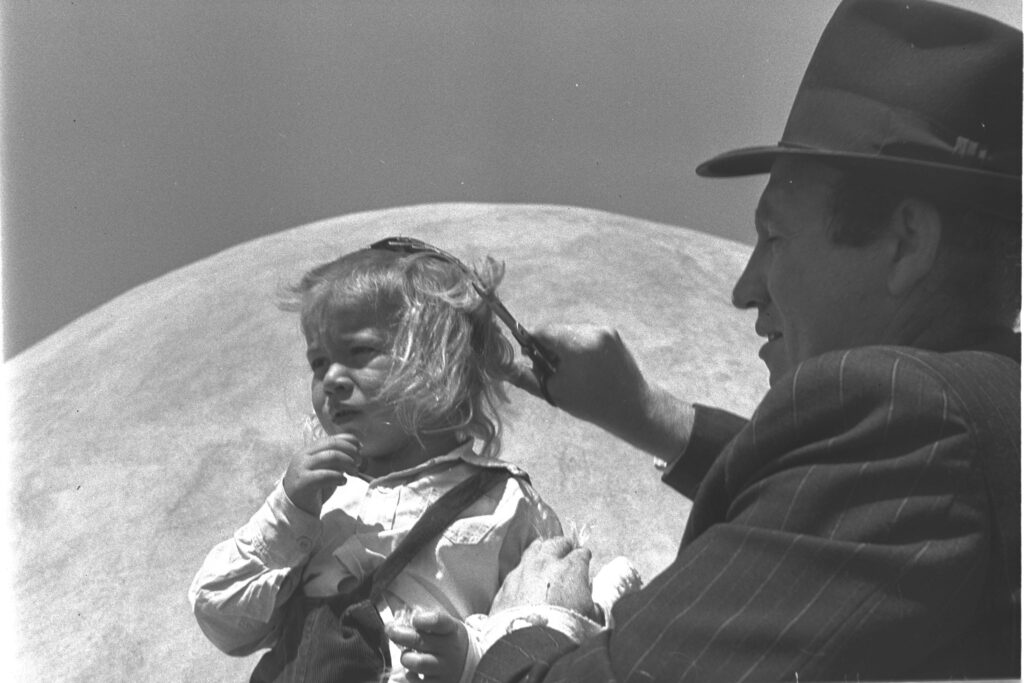
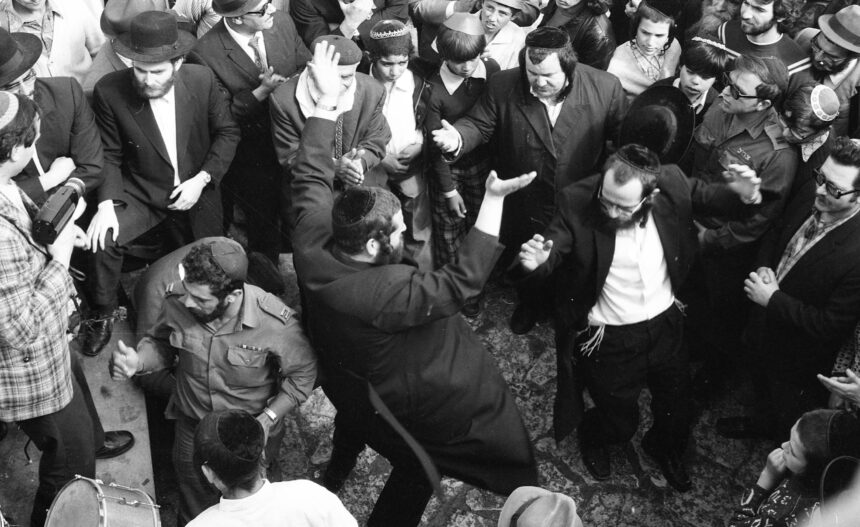
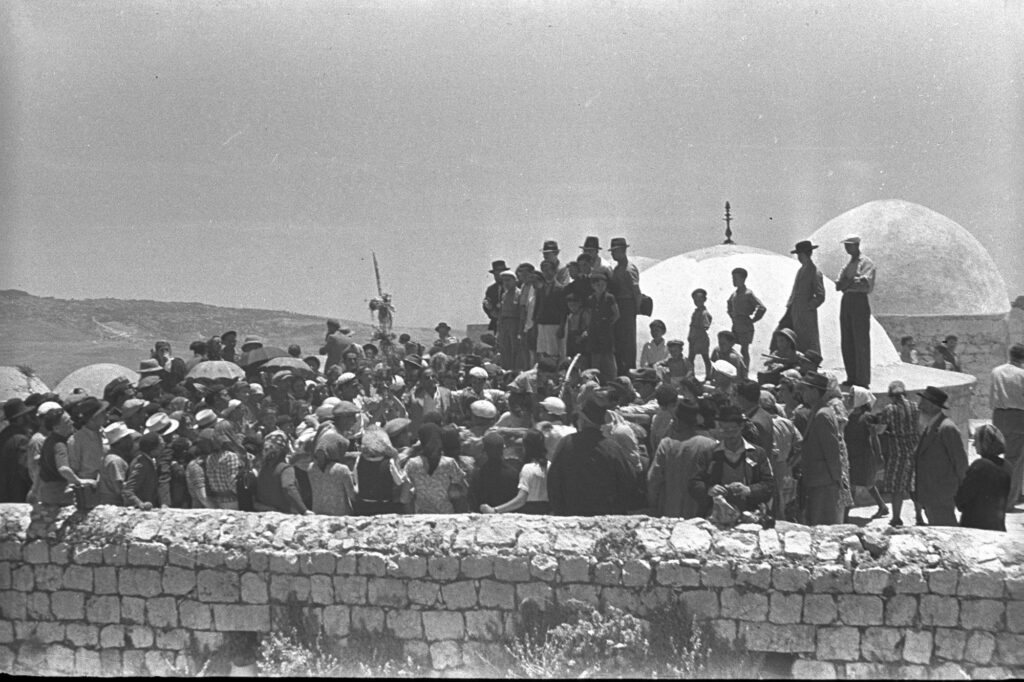
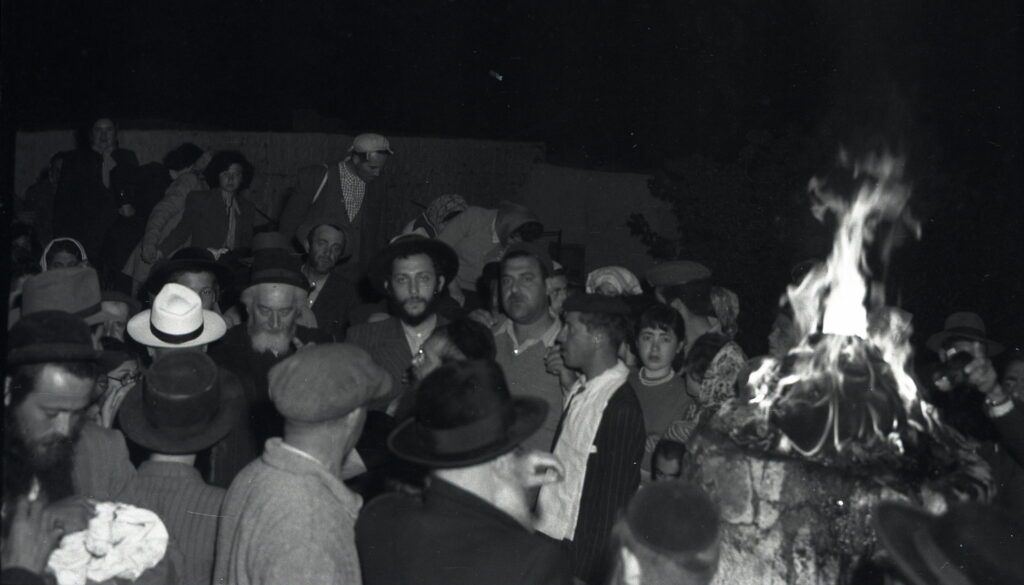
Lag b’Omer, the 18th of Iyar, marks both the end of the plague that struck Rabbi Akiva’s 24,000 students and the yahrzeit of Rashbi, whose soul ascended in joy on that day. The bonfires at Meron have burned for centuries in his honor—a defiant blaze against every empire that tried to extinguish Jewish light.
‘Public Safety’ for the Faithful, Open Doors for Everyone Else
Fast-forward to 2026, and the irony burns. The very state purported to protect Jews from persecution is once again citing “public safety” to choke off access to Rashbi’s tomb on the day his light is meant to shine brightest.
Haredi leaders, including MKs Yaakov Litzman and Meir Porush, have highlighted the glaring double standard: while Meron is locked down, large soccer matches (including Maccabi Haifa games) and other secular events have faced far fewer restrictions. Shopping malls, beaches, and concerts in central Israel operate normally.
Rachel’s Tomb, the Western Wall, and the Pattern of Selective Closure
The discrimination is not limited to Meron. Rachel’s Tomb in Bethlehem was recently ordered closed by the Home Front Command after an inspection claimed it lacked an “approved protected space”—even though the site had remained open earlier in the war.
Jerusalem’s major holy sites, including sections of the Western Wall plaza, have faced similar blanket restrictions during periods of heightened alert. Yet the same government that deems these sacred Jewish sites too dangerous for worship finds no such existential threat in secular life.
‘Pride’ Land at the Dead Sea: The Ultimate Moral Inversion
And then comes the crowning insult. From June 1–4, the Dead Sea will host “Pride Land”—billed as the largest gender-disorientation festival in Middle East history.
Fifteen hotels, beach complexes, nonstop performances, art installations, and “family-friendly” activities will transform the biblical landscape into a 24/7 party zone, openly promoted by Israel’s Foreign Ministry and official state channels.
The Light That Refuses to Be Extinguished
This is not mere administrative overcaution. It is a recurring policy that treats the deepest expressions of Jewish faith as liabilities to be managed rather than treasures to be protected. The Romans tried to bury the Torah in blood and fire; instead, they drove Rashbi into the cave that gave the world the Zohar. Today’s authorities, invoking safety protocols, close the roads to Meron, shutter Rachel’s Tomb, and limit access to other sacred sites—while malls hum, stadiums roar, and so-called Pride flags wave at the Dead Sea.
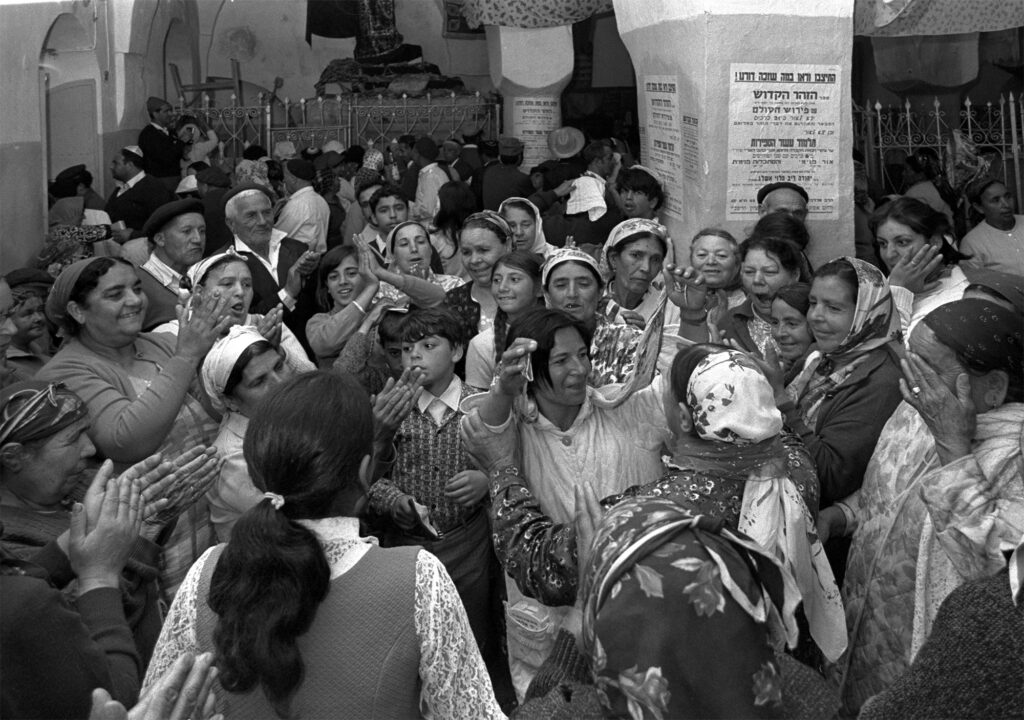
The hillula of Rashbi has always been about joy in the face of adversity, about light kindled precisely when darkness seems to prevail. This year the bonfires may be smaller, the crowds thinner, the police presence heavier. But the spirit that survived Roman legions, Hadrian’s decrees, and every subsequent empire will not be extinguished by bureaucratic edicts dressed up as public safety.
The Zohar was born in hiding.
Jewish faith has always found its greatest revelations under pressure.
Meron may be closed this Lag b’Omer, but the light of Rashbi—and the memory of Rabbi Akiva’s unyielding students—burns on.