


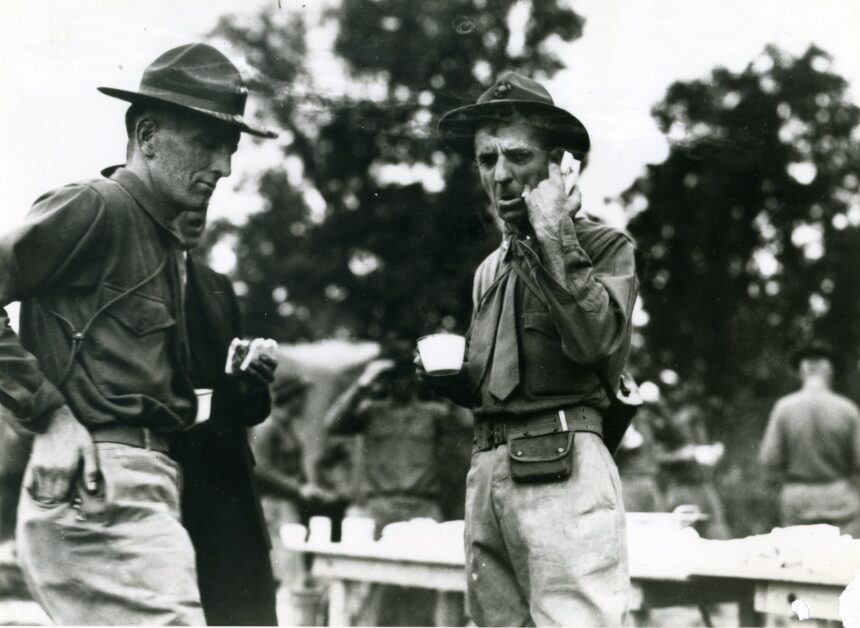
Major General Smedley D. Butler remains one of the most decorated Marines in American history. By the time he retired in 1931 after 33 years of service, he had earned two Medals of Honor, a Distinguished Service Medal and a chest full of campaign ribbons earned from the Spanish-American War through the occupation of China. He had risen from second lieutenant to major general, commanding troops in the Philippines, Central America, the Caribbean and beyond.
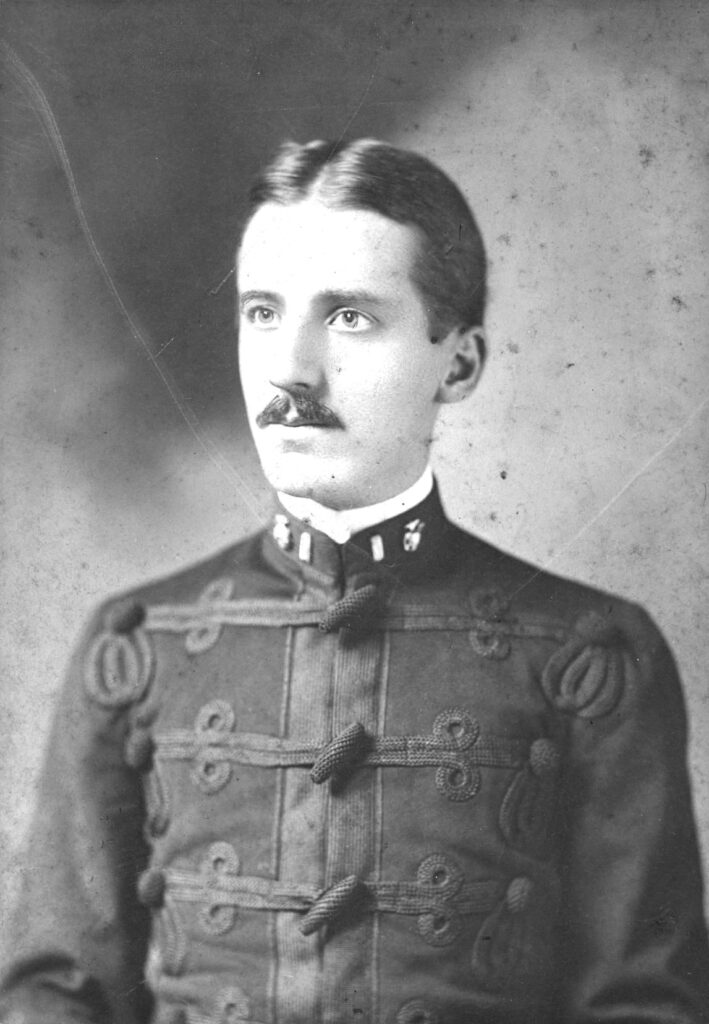
Yet in a 1933 speech that later inspired his short book “War Is a Racket,” Butler delivered a searing indictment of the very missions that had defined his career. He described himself as “a high-class muscle-man for Big Business, for Wall Street and for the bankers,” listing specific interventions in which he said he had helped secure American corporate interests at gunpoint. What followed was not rhetoric but a precise accounting of what he and his Marines had actually done.
These operations formed the core of what historians call the Banana Wars, a series of Marine interventions in Central America and the Caribbean between roughly 1898 and 1934. Under the banner of “dollar diplomacy,” the United States repeatedly used military force to protect and expand American investments — oil fields, banana plantations, sugar mills and bank loans — while installing or propping up friendly governments.
The pattern was consistent: a local crisis threatened U.S. property or debt repayment; Marines landed; opposition was suppressed; customs houses were seized to guarantee revenue flowed to American creditors; and stability was restored for corporate profit. Butler’s speech pulled back the curtain on that system by naming the countries and the companies involved.
Making Mexico Safe for Oil Interests in 1914
The first episode Butler cited occurred during the Mexican Revolution. American oil companies held massive investments around the port city of Tampico. When President Woodrow Wilson decided to topple the dictator Victoriano Huerta, Butler, then a major, played a direct role.
In March 1914 he slipped into Mexico on a secret reconnaissance mission, traveling disguised as a railroad employee to map rail lines from Veracruz toward Mexico City in preparation for a possible U.S. invasion. On April 21 and 22, he led a Marine battalion in the amphibious assault and seizure of Veracruz itself. Street fighting was intense; Marines cleared buildings house by house against federal troops and armed civilians.
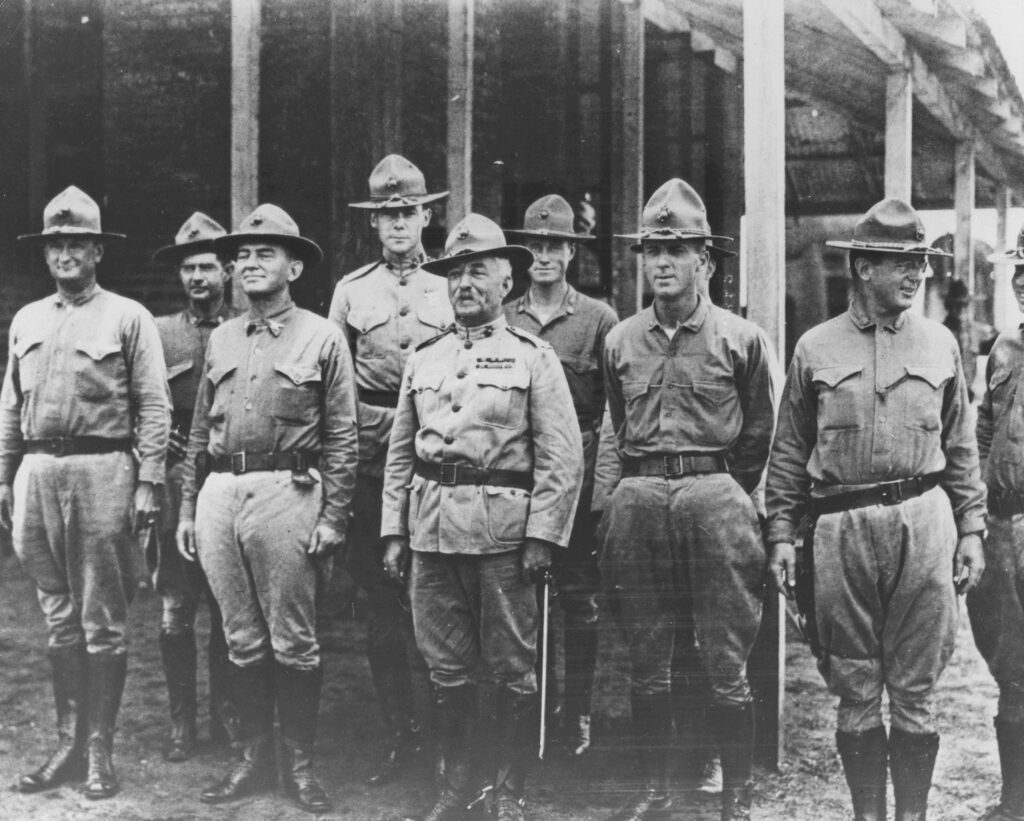
The Americans held the port for seven months, cutting off Huerta’s arms supplies and stabilizing the region so oil tankers could continue to sail. Seventeen Americans and roughly 126 Mexicans died in the operation. Butler received his first Medal of Honor for the action. In his later telling, the mission’s practical effect was simple: it kept American-owned oil fields and export routes secure.
Financial Control in Haiti and Cuba
Butler next pointed to Haiti and Cuba, where he said Marines created “a decent place for the National City Bank boys to collect revenues.” In Haiti the trigger was political chaos following the 1915 assassination of the president. U.S. officials worried about European influence and wanted to protect loans held by National City Bank, today’s Citibank. Marines landed in July 1915 and immediately seized the Haitian national gold reserve — roughly $500,000 in gold — and shipped it to New York for “safekeeping.” Butler arrived that October. He led patrols that crushed Caco peasant rebels, personally commanding the final assault on Fort Rivière in November 1915. His men scaled the walls and fought hand-to-hand; about 50 rebels were killed.
Butler earned a second Medal of Honor.
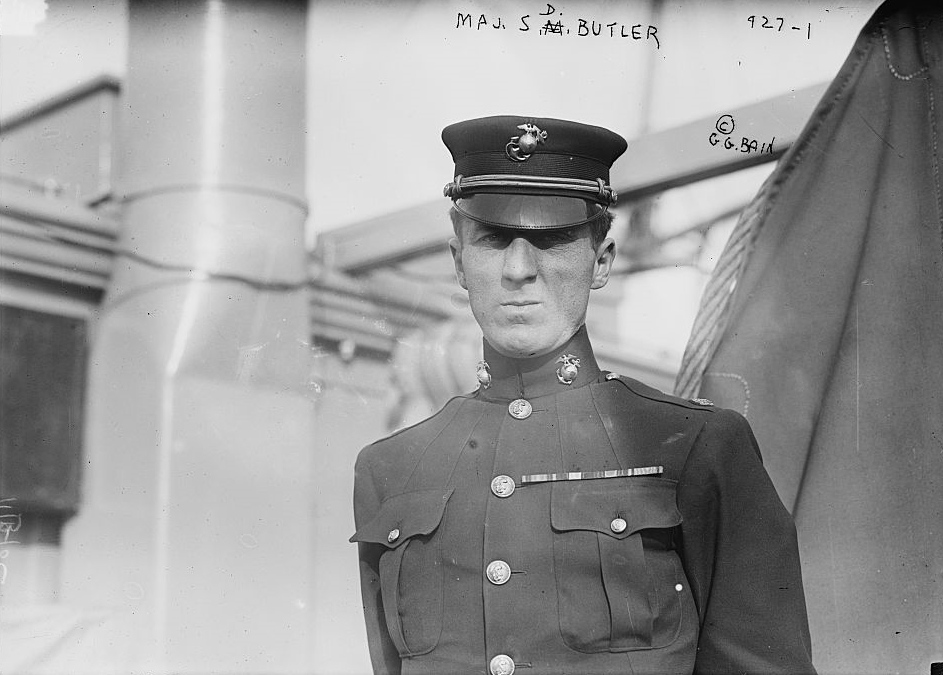
He then organized and commanded the Gendarmerie d’Haïti, a U.S.-trained native police force that hunted remaining insurgents. The occupation lasted until 1934. The United States rewrote Haiti’s constitution to permit foreign land ownership and took permanent control of the customs houses so import duties went straight to repay American and French bank loans.
In Cuba, Butler’s involvement stretched back to the Spanish-American War of 1898, when he helped secure Guantánamo Bay. Later occupations under the Platt Amendment, especially 1906–1909 and 1917–1922, followed the same logic. National City Bank and other U.S. lenders held huge sugar loans. Whenever unrest threatened plantations or repayment, Marines intervened to restore order and ensure revenue continued to flow to American creditors.
Purifying Nicaragua for Brown Brothers
Butler’s reference to “purifying Nicaragua for the international banking house of Brown Brothers in 1909–1912, described one of the earliest and most overt examples of dollar diplomacy. Liberal president José Santos Zelaya had angered Wall Street by negotiating with foreign powers for a rival canal and threatening existing concessions. Brown Brothers & Co. held Nicaraguan loans and wanted repayment on favorable terms.
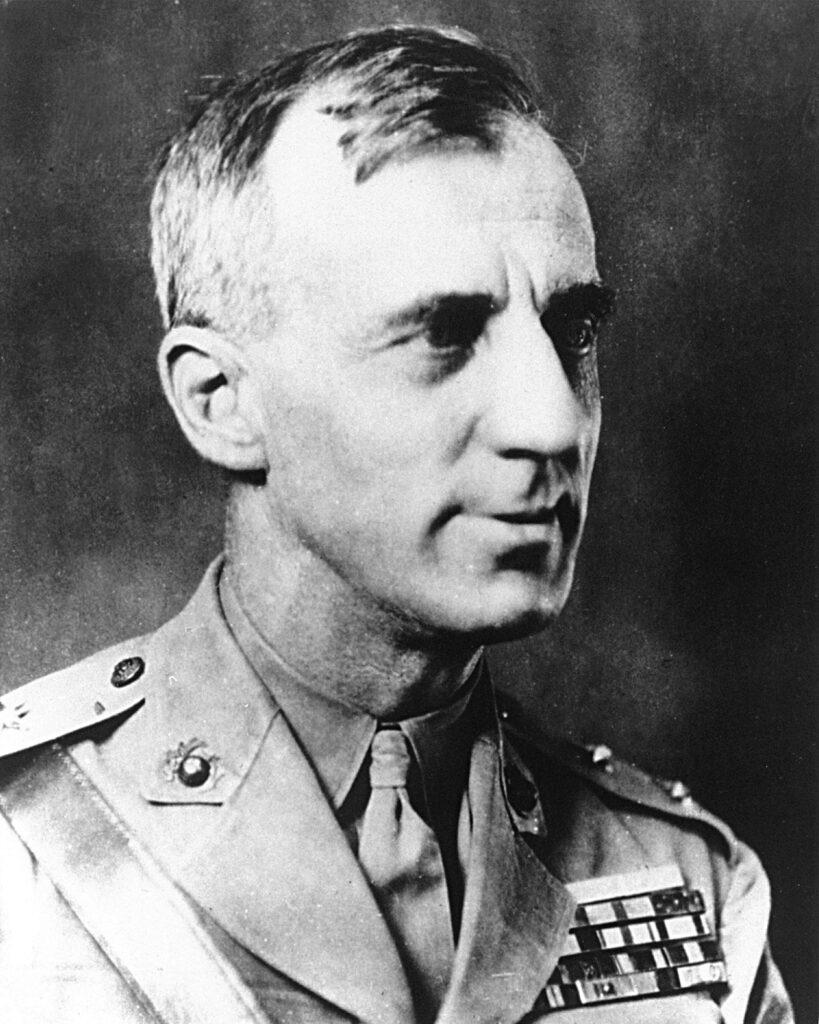
Butler, commanding Marine battalions, supported conservative rebels led by Adolfo Díaz. He relieved the besieged city of Granada, fought at Masaya and directed the final assault on Coyotepe Hill in October 1912. After shelling the rebel fort, his men stormed the position; rebel leader Benjamín Zeledón was killed. The United States installed Díaz, who promptly accepted Brown Brothers’ conditions. Marines took over customs collection to guarantee the loans would be repaid.
In private letters home, Butler called the operation “rotten” and openly tied it to American financial speculators.
Bringing Light to the Dominican Republic for American Sugar Interests
The 1916 occupation of the Dominican Republic followed the same script. Repeated revolutions threatened U.S.-owned sugar plantations and unpaid debts to American banks. Marines landed, disarmed rival factions, seized key forts and imposed a military government that lasted until 1924. They created a local Guardia Nacional and again assumed control of the customs houses.
Butler served in the campaign, helping suppress guerrilla bands known as gavilleros in the eastern sugar-growing regions. The result was a stable environment in which American companies such as South Porto Rico Sugar could operate without fear of confiscation or default.
Setting Honduras “Right” for American Fruit Companies
Butler’s involvement in Honduras was smaller but typical of the era’s gunboat diplomacy. In 1903 political unrest threatened U.S. banana plantations, railroads and concessions that would later feed the United Fruit and Standard Fruit empires.
As a young captain, Butler led a small Marine detachment ashore from a converted banana steamer. His men protected the U.S. consulate and American property in Puerto Cortés and Trujillo, deterred rebel attacks and showed the flag. Fighting subsided once the Marines appeared, and a pro-U.S. faction soon took power. No major battle occurred, but the brief show of force secured the plantations and rail lines that shipped bananas north.
Protecting Standard Oil in China
The final example Butler gave took place far from the Caribbean. In 1927, during China’s Northern Expedition and civil war, anti-foreign violence threatened foreign concessions. Butler commanded the 3rd Marine Brigade in the Tianjin and Shanghai areas. His troops guarded the International Settlement and American-owned properties. They operated near a major Standard Oil compound at Hsin Ho and once helped extinguish a fire at a warehouse holding a million gallons of oil.
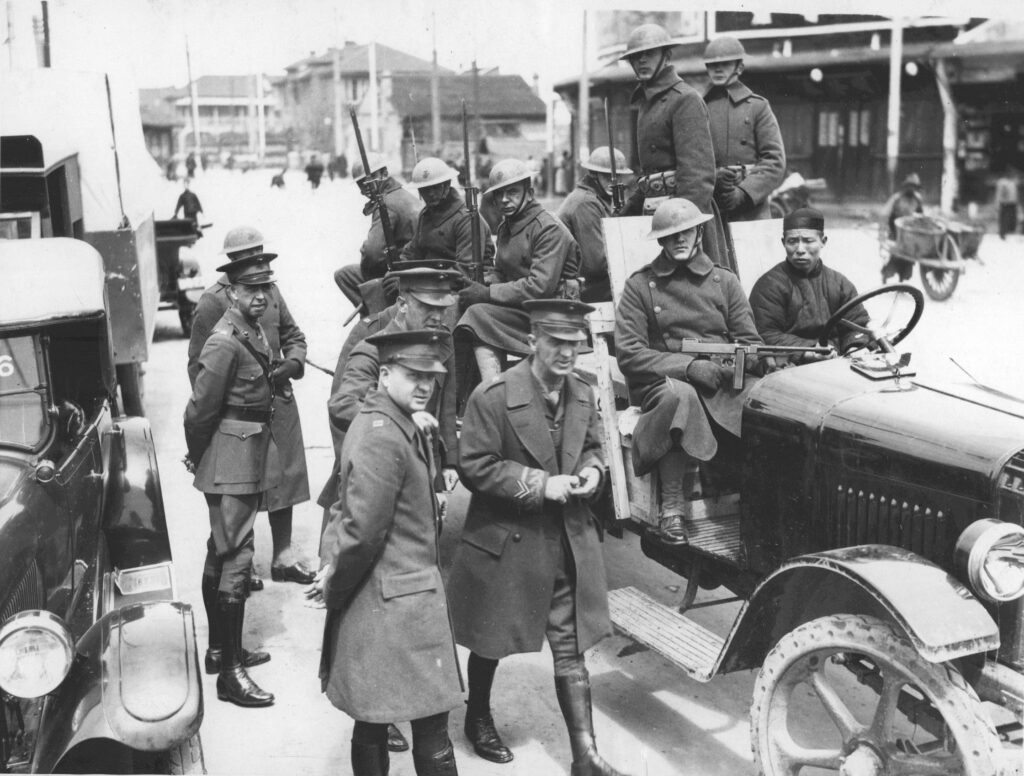
Through a mix of armed presence and careful diplomacy with local warlords, the Marines kept supply lines open and prevented attacks on U.S. oil facilities, refineries and distribution networks.
The Larger Pattern and Butler’s Proposed Remedies
Collectively, Butler called these operations “the raping of half a dozen Central American republics for the benefit of Wall Street.” In nearly every case the sequence was identical: a local crisis threatened American investments or loans; Marines landed; opposition was crushed; a compliant government was installed or sustained; and customs revenue — the lifeblood of these small nations — was placed under U.S. control to repay banks and stabilize corporate profits.
Butler argued that young Marines became unwitting enforcers for private gain rather than defenders of the national interest. In War Is a Racket, published in 1935, he expanded on the speech with a detailed plan to prevent future interventions: conscript capital and industry alongside manpower in wartime, require a popular referendum before any declaration of war, and limit U.S. military forces strictly to home defense. He spent the rest of his life campaigning for these changes.
Nearly a century later, Butler’s blunt accounting continues to fuel debate about the role of economic and strategic interests in shaping American foreign policy.