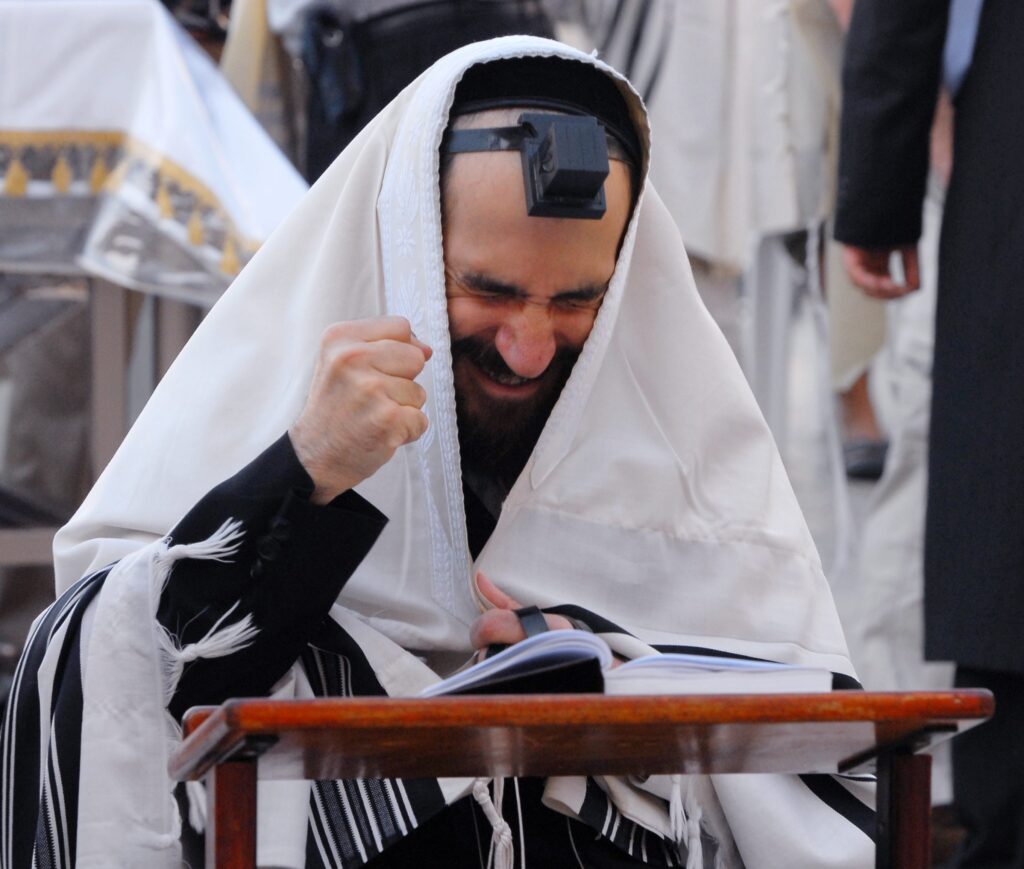


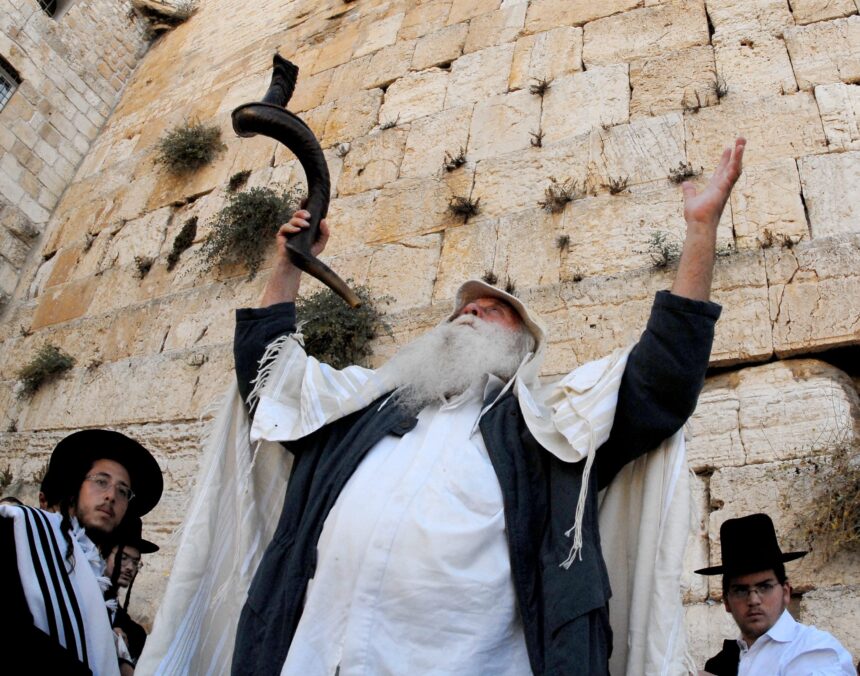
In the opening chapters of Hilchot Ta’aniyot (The Laws of Fasts), the Rambam (Maimonides) codifies a fundamental principle of Jewish existence: It is a positive commandment of the Torah, he writes, to cry out and sound the trumpets for any trouble that strikes the community. Whether it be a plague, a drought, or the “sword of an enemy,” the mandate is clear: we must stop, fast, and recognize that our suffering is a direct consequence of our actions.
For the Rambam, this is not merely a religious ritual to supplement military efforts. It is the core of our survival strategy. By crying out and introspecting, we acknowledge Divine Providence (Hashgacha) and initiate the process of Teshuvah (repentance) that can remove the decree.
The Sin of ‘Happenstance’
The Rambam reserves his harshest language for those who ignore this spiritual cause-and-effect. In Chapter 1, Halacha 4, he writes:
“But if they do not cry out and do not sound the trumpets, but rather say, ‘This thing happened to us because it is the way of the world, and this trouble happened by chance,’ this is the way of cruelty. It causes them to cling to their evil deeds, and that trouble will be followed by others…”
When we label a national tragedy as “chance,” “bad luck,” or even “a failure of intelligence,” we are practicing what the Rambam calls achzariyut—cruelty. It is cruel because it robs the people of the only tool they have to actually change their destiny: their relationship with the Almighty.
Government ‘Guidelines’ vs. The Torah’s Path
Today, in the land of Israel, we find ourselves in the midst of a brutal epoch. Yet, if one looks at the official government response and the instructions issued to the public, the Torah’s guidelines are not merely absent—they have been effectively nullified.
The IDF Home Front Command has replaced the Beit Din. Instead of an elder standing in the city square exhorting the people to examine their deeds, we have digital sirens and mobile applications. The “guidelines” are treated as an infallible new religion. We are told that if we simply follow the protocol—hide in the reinforced room, wait ten minutes, and keep the radio on—we will be safe.
This approach has effectively robbed the Jewish People of their Emunah (faith). It has transformed a nation of believers into a nation of technicians, obsessing over the physics of interception rates rather than the metaphysics of Divine protection. By pretending that safety is purely a matter of following state-issued “guidelines,” the modern establishment has institutionalized the very “happenstance” perspective that the Rambam excoriated.
The Illusion of Safety: Analyzing the Statistics
To maintain the illusion that these guidelines are the ultimate shield, the media and the state employ a rigorous practice of selective reporting. They celebrate every instance where the “guidelines” seemingly saved a life, framing it as a triumph of compliance.
However, the reality on the ground tells a far darker story. According to Magen David Adom (MDA) statistics as of mid-March 2026, the number of casualties resulting from the “guidelines” and the panic they induce is staggering. Out of over 1,100 people treated by MDA since the recent Iranian barrages began, approximately 80% are “indirect” casualties—people injured running for shelter (e.g., falls, stress-induced events).
While the media focuses on the success of interceptions, the figures show that hundreds of Jews are being injured—and some killed—not by enemy missiles, but by the very process of following the state’s orders. We see hundreds of cases of physical harm from falls and stampedes while rushing to shelters, and over 150 injuries from traffic accidents caused by drivers stopping abruptly during sirens.
Consider the recent tragedy in Kiryat Gat, where a man in his 50s got off a bus following a siren—only to be struck and critically injured by a vehicle. This man was doing exactly what he was told; he was diligently following the “guidelines” that instructed him to leave the vehicle. In his attempt to obey the state’s safety protocols, he entered a path of greater danger and was crushed.
When a person is injured or killed while following orders, the media frames it as a “severe incident” or a freak accident. They cannot admit that the guidelines themselves are fallible, because to do so would force the nation to look upward. They suppress the reality that these protocols often create more danger than they avert, all to prevent the public from realizing that “unless Hashem watches the city, the guard stays awake for nothing.”
A Call to Return
We have traded the trumpets of the Beit HaMikdash for the sirens of the state. We have traded the Viduy (confession) of the fast day for the press conferences of IDF spokesmen.
It is time to regain our Torah perspective. We must stop viewing the current war through the lens of geopolitics and happenstance. We must recognize that the security protocols, while perhaps necessary in a physical sense, are a secondary garment. They can never replace the Mitzvah of crying out to G-d.
True safety for the Jewish People does not come from a reinforced door; it comes from a broken heart. We must demand that our leaders—spiritual and communal—return us to the path of the Rambam.
Let us put down the guidelines of cruelty and pick up the mantle of Teshuvah. Only then can we truly hope for the sword of the enemy to be removed from our land.