



The heart of the Jewish homeland faces a grave and growing threat—not from open warfare, but from a subtle, insidious erosion of sovereignty disguised as diplomacy, such as normalization agreements between Saudi Arabia and Israel, used to pressure Israel into concessions on Palestinian statehood, further eroding its sovereignty.
Saudi Arabia and other entities are actively promoting the “two-state solution,” with official accounts and media outlets framing it as essential for peace and normalization. Evidence leans toward these efforts being part of a broader diplomatic strategy, with some viewing them as deceptive, especially regarding Israel’s sovereignty over Judea and Samaria.
Judea and Samaria, collectively known as Yesha, are far more than disputed territories; they are the bedrock of Jewish civilization, where our history was written and our identity forged.
Today, these lands are critical to Israel’s survival—strategically, culturally, and spiritually. Yet, the Palestinian Authority (PA) undermines this reality, driven by a nationalism that seeks not coexistence but Israel’s annihilation.
The moment demands a bold shift: the PA must be dismantled and replaced with an administration that ensures Israel’s sovereignty and protects all who live in Yesha.
Judea and Samaria are not just geography—they are the soul of Israel. This is the land of Abraham, David, and the prophets, where Jewish roots run deep into the earth. Every hill and valley echoes with the legacy of our people, from the ancient streets of Hevron to the sacred precincts of Jerusalem. To surrender this connection is to sever the Jewish people from their past and imperil their future. Yesha is not a peripheral concern; it is the heart of our heritage, a living testament to why Israel exists.
Beyond its cultural weight, Yesha is a strategic necessity. Its rugged terrain offers a vital buffer against modern threats, shielding Israel’s population centers. Beneath these hills lies the mountain aquifer, a lifeline of clean water that sustains the nation. Control over this resource cannot be ceded to a hostile entity without risking collapse. And the proximity of Yesha to Israel’s core means that any military presence there, under PA command, could strike at the nation’s heart with devastating speed. This is not about expansion—it’s about survival.
The PA presents a clear and present danger, one too often obscured by diplomatic platitudes. Its rhetoric and actions fuel a nationalism that rejects peace, instead pursuing the erasure of Israel through violence and delegitimization.
The October 7, 2023, attack by Hamas, which claimed 1,200 Israeli lives and so much more, is a stark reminder of what happens when such threats are nurtured. The PA’s growing arsenal, international backing, and incitement amplify this peril. It is not a partner for coexistence but a vehicle for chaos, endangering Jews and Arabs alike in its pursuit of power.
The PA’s rule is a tragedy for those it governs. Arabs in its territories endure corruption, repression, and poverty, trapped under a regime that prioritizes conflict over life. Jewish communities in Yesha, meanwhile, face relentless attacks and global condemnation, yet stand as symbols of resilience. The status quo serves neither group—only a new framework can deliver security and dignity for all. Justice demands an end to this failed experiment and a solution that honors the rights of every resident.
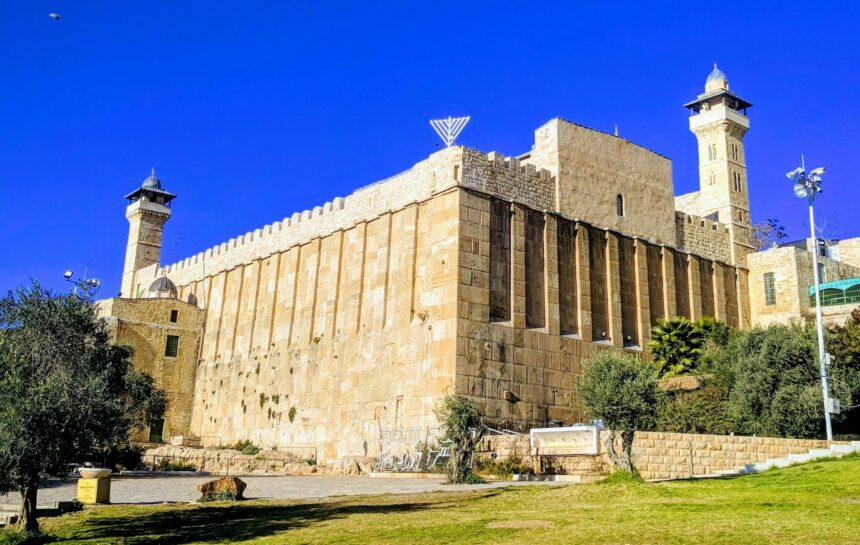
Saudi Arabia’s role in the Abraham Accords is pivotal, yet their motives are far from altruistic. Historically, the kingdom has been a staunch supporter of Palestinian causes, funding efforts that delegitimize Israel’s claims to its ancestral lands. Their sudden pivot towards normalization appears less a change of heart and more a calculated move to expand regional influence, counter Iran, and gain leverage over Israel. In Hevron, this could translate into pressure for concessions—such as territorial compromises or support for an “Emirate of Hevron”—that undermine Israel’s sovereignty.
Proposals like an “Emirate of Hevron,” supported by some Arab leaders, exemplify the accords’ deceptive nature. On the surface, it might appear as a step towards coexistence, but in practice, it risks legitimizing Palestinian territorial ambitions and setting a precedent for further erosion of Israeli control. The Saudis, by endorsing such ideas, are not fostering peace but perpetuating a process that chips away at Israel’s heartland. Thus, the Abraham Accords in Hevron are not a diplomatic triumph but a Saudi-led mirage that masks strategic opportunism.
Delay is not an option. Each day the PA persists, the risks multiply: more weapons flow in, more lives are endangered, and Israel’s grip on Yesha weakens. The human cost is already unbearable—thousands of civilians and soldiers remain in harm’s way. International pressures only tighten the noose, threatening to isolate Jewish communities within a hostile entity. This is not a distant problem but an immediate crisis, one that demands decisive action to protect Israel’s people and its purpose.
Israel must act now—abolish the PA and establish an administration that secures Yesha for the Jewish people while ensuring stability for all its inhabitants.
This is not retreat but renewal, a chance to reclaim what is essential to Israel’s identity and security. It means standing with the Jews of Yesha, supporting their right to live without fear, and building a future that reflects both strength and compassion.
The alternative—inaction—invites disaster.
The Jewish people, and all who value Israel’s survival, must embrace this vision and demand change. The stakes are nothing less than the soul of our nation.